
What Retail Buyers Actually Notice in Food Packaging (Hint: It’s Not What You Think)!
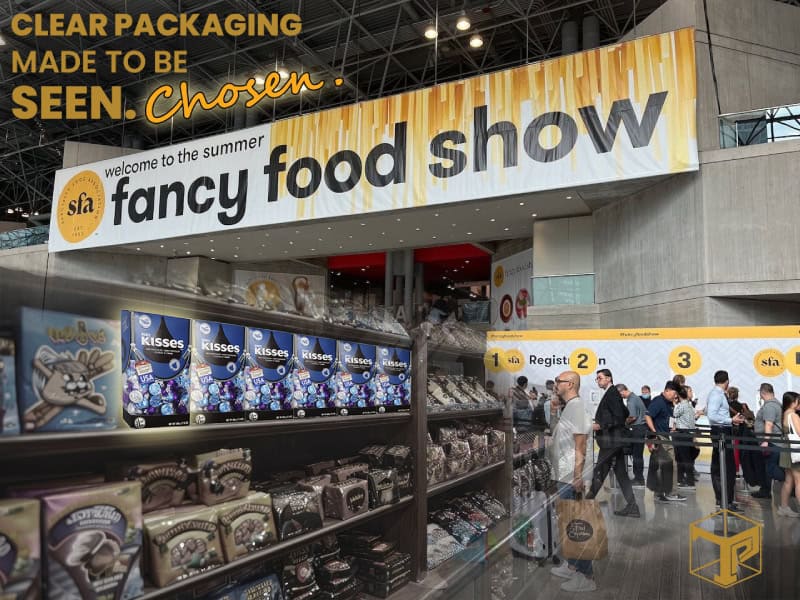
Walk any aisle at the Summer Fancy Food Show and you’ll see hundreds of beautifully designed products competing for attention. But here’s what many brands overlook, retail buyers don’t evaluate packaging the same way as designers or marketers. They’re not focused on subtle gradients or typography choices.
They’re asking one question:
“Will this product sell, quickly and consistently, on my shelf?”
And the answer comes down to a few critical factors that often get missed.
1. Product Visibility Builds Instant Trust
Before branding, before messaging—buyers want to see the product.
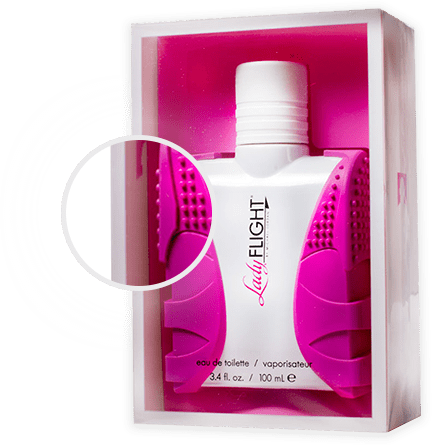
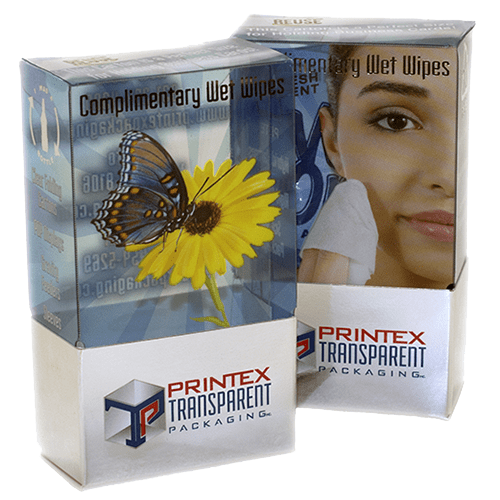
Clear visibility removes hesitation and builds immediate confidence. In crowded gourmet categories, transparency has become a competitive advantage.
Packaging that showcases the product:
- Signals honesty and quality
- Helps consumers make faster decisions
- Reduces perceived risk at the point of purchase
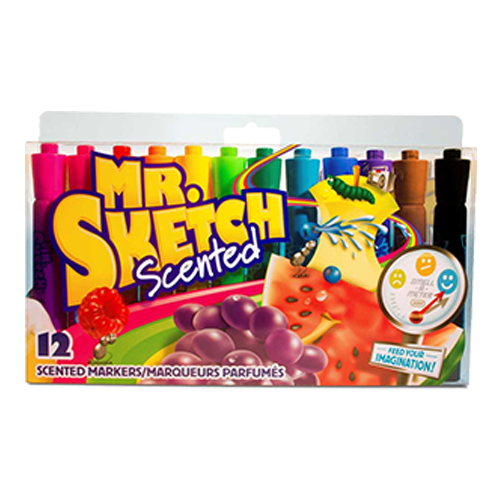
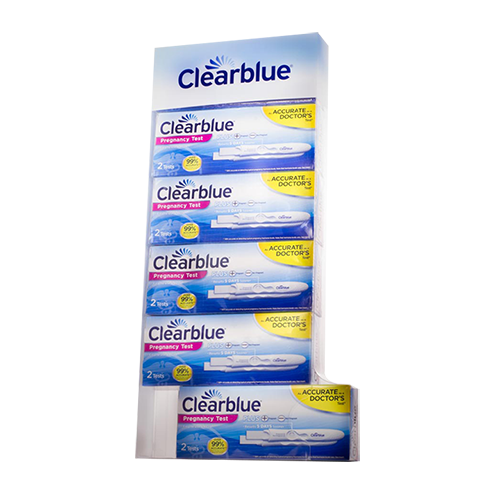
If your packaging hides the product, you’re adding friction to the sale. Clear transparent packaging has been proven to attract the consumer’s attention to your product on the shelf. Whether a clear box or a window box, a 2013 Clemson Study found that consumers took 40% less time to find products in clear packaging. Fixation tests found that consumers were 678% more likely to grab a shopper’s eyes, which led to a longer fixation count of 343% more and this led to more purchases. Customers were approximately 4x more likely to purchase a product they could see through the packaging then one in a paperboard package.
2. Premium Feel Happens in Seconds
Buyers make judgments fast—and so do consumers. Structure, clarity, and finish communicate quality far more effectively than written claims.
High-performing packaging typically includes:
- Strong, rigid structure that holds its shape
- High-clarity material that enhances product appearance
-
Premium Finishes
- Custom Foil Printing & Hot Foil Stamping. Foil is eye-catching and presents your product as a luxury item.
- Premium finishes such as Spot Varnishes in gloss or velvety matte coatings give a high-end look and feel to your brand.
- Embossing, or Foil Embossing can be a raised or engraved pattern and can be combined with colored print on or with foil conveys elegance and elevates branding.
The result is packaging that feels premium—without needing to say it.
3. Retail Reality: It Has to Hold Up
Packaging doesn’t live in a controlled environment.
Buyers are thinking about:
-
Shipping and Distribution
- Cost is important, if your packaging ships flat and stores flat, it costs less to ship. You can ship more and the savings on weight and space means that shipping costs less
-
Shelf Stocking
- Save on warehouse space with ship flat design boxes (in PET, PCR PET, window boxes, or paperboard)
-
Customer Handling
- If packaging scuffs, collapses, or loses clarity, it quickly becomes a liability.
Durability isn’t a “nice to have”—it’s expected.
- If packaging scuffs, collapses, or loses clarity, it quickly becomes a liability.
4. Sustainability Has to Be Real (and Practical)
“Sustainable” packaging is everywhere—but buyers are increasingly skeptical of claims that don’t hold up in practice.
What they’re really looking for is:
-
Materials That Are Widely Recyclable
- PET (Polyethylene Terephthalate) is recognized as the most recycled plastic on the planet. PET is considered a highly sustainable packaging choice because it is 100% recyclable.
-
Reduced Environmental Impact
- PET can be recycled over and over again.
- Recycling PET supports a closed-loop system where plastic waste turns into a valuable raw material rather than becoming pollution.
-
Solutions that scale without increasing risk such as Smart Design for Packaging
- Re-design, smart packaging design to make separating and recycling after use easy for consumers
- Reduce waste, measure and custom design to reduce waste in manufacturing
- Re-use, PET and PCR (Post-consumer recycled) PET can be recycled over and over again
This is where smart design for sustainability matters. It’s a matter of responsibility.
It’s not just about switching materials—it’s about using materials more efficiently while maintaining performance.
5. Material Choice
Where PET, and PCR PET, Deliver Real Value
Material choice plays a major role in both performance and sustainability.
PET (Polyethylene Terephthalate) is widely used in food packaging because it delivers:
- Excellent clarity for product visibility
- Strength and durability for real-world handling
- Compatibility with established recycling streams
- Food Safe, PET is widely recognized as safe for food and beverage packaging, free from BPA and hazardous phthalates.
As sustainability expectations grow, many brands are taking the next step with PCR PET (Post-Consumer Recycled PET).
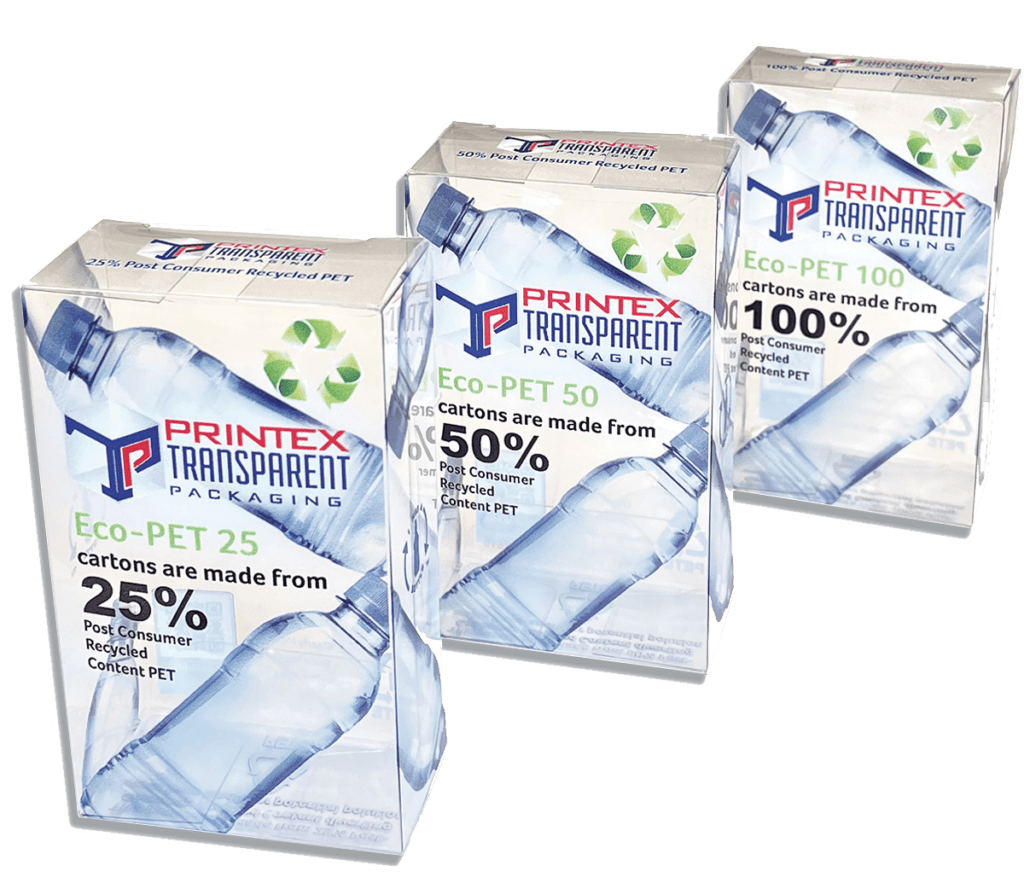
Our Eco-PET series is made from Post-Consumer Recycled PET and is designed to:
- Reduce reliance on virgin plastic
- Maintain the same visual clarity and strength as virgin PET
- Support a more circular packaging approach
The key advantage is balance—you don’t have to trade shelf impact for sustainability.
6. Smart Design for Sustainability—Without Compromise
Sustainability isn’t just about what your packaging is made from—it’s how it’s designed.
Effective packaging design considers:
- Material reduction without sacrificing strength
- Structural efficiency for shipping and storage
- Clear product visibility to support sales
- End-of-life recyclability
Done right, sustainability becomes part of your value proposition—not a limitation.
Standing Out at the Summer Fancy Food Show
At SFFS, every product is competing for attention—from both buyers and consumers.
The brands that stand out are the ones whose packaging:
- Builds trust instantly through visibility
- Communicates quality through structure and finish
- Performs reliably in real retail conditions
- Supports a sustainability story buyers believe
Let’s Review Your Packaging
If you’re attending the Summer Fancy Food Show, bring your current packaging—or even just a concept.
We’ll walk through it with you and identify where small changes in structure, material, or visibility can improve shelf performance and buyer perception.