Posted by Jane White on | Comments Off on Guide to Choosing the Right Colors for Your Product Packaging
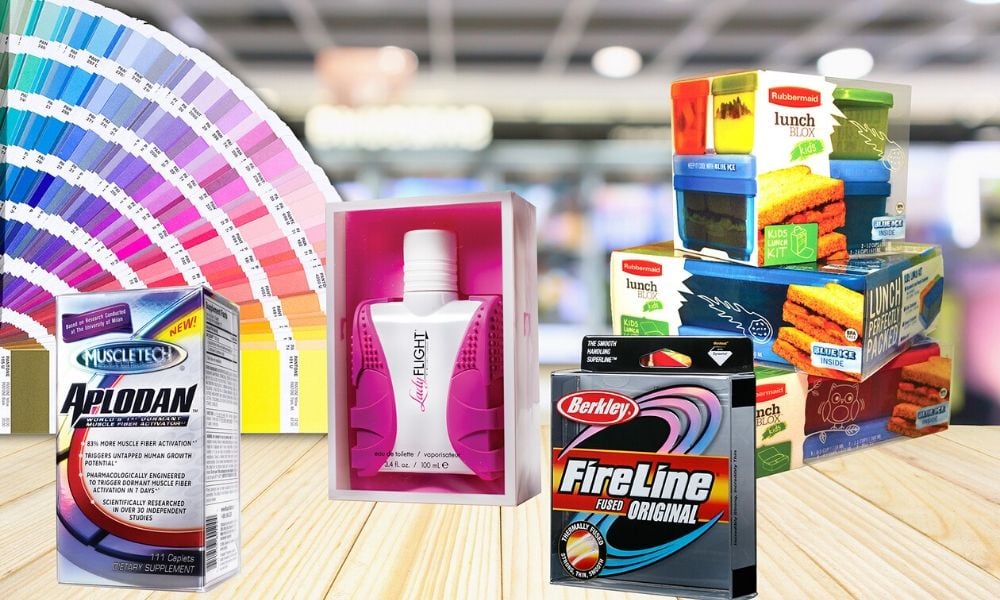
When it comes to designing any product, there are many elements you need to take into consideration. Even seemingly small factors can have a large impact on consumer buying patterns, company image, and overall brand loyalty. Color is one such factor that may seem inconsequential at first glance but can actually have a large impact on consumer purchasing patterns. This guide to choosing the right colors for your product packaging will help you better understand the effect color can have on consumer preferences and purchasing patterns.
Color theory
Color theory refers to the guidelines used by many artists and designers to determine which colors complement each other best. This theory assigns every color a specific position within a color wheel. The colors are then further separated into primary, secondary, and tertiary levels. Color theory allows designers to clearly see which colors complement each other best and which work well when contrasted against one another. Colors that are adjacent to one another often complement each other quite well and present a more cohesive color scheme. Colors that are on opposing sides of the color wheel also complement each other well, even though they’re often very different. The stark contrast between certain complementary colors, such as blue and orange, helps draw the eye of consumers and increases the likelihood that they’ll purchase your product over that of competitors.
Color psychology
Color psychology refers to the impact of certain colors on human behavior and emotions. The influence of certain colors often goes unnoticed, as our brains connect colors to particular emotions or memories without our really understanding why. As the main goal when designing product packaging is to appeal to the consumer, the use of color psychology is of extreme importance. The color of your product packaging will affect consumer perceptions of the overall quality and personality of your brand. The effect of certain colors can vary based on certain individual characteristics, such as gender, age, and cultural background. However, there do seem to be some color associations that are slightly more universal. For instance, we frequently associate the color red with feelings of either love or anger, while cooler-toned colors, such as blue and green, give us feelings of peace and calm.
Brand identity
Because color psychology also affects the propensity for humans to choose one color over another, color choice can also play a large part in helping your company stand out among the competition. Choosing distinct colors or utilizing a unique color combination will aid in brand recognition and increase the likelihood of consumers purchasing your product over others. Choose colors that stand out and make your company’s logo or packaging instantly recognizable.
When considering the colors for your product packaging, you must also consider the packaging material. Certain packaging materials will not yield the desired color payoff and will scumble the overall design. Utilizing clear product packaging, however, provides a blank canvas on which your designs can take effect. The clear base provided by acetate packaging allows the colors and designs to appear exactly as intended every time. Additionally, clear plastic packaging allows you to print both solid, opaque, and/or translucent colors that allow you to see the product inside the package. Acetate packaging provides a reliable surface on which to print designs without fear that it will fade or smudge.
Posted by Jane White on | Comments Off on Considerations for Designing Product Packaging
Product packaging often comes as a second thought to the design of the product itself. However, packaging can actually have a large impact on the overall success of the product. To achieve the highest success rate possible, the product packaging should complement and accentuate the product itself. Taking into account the following considerations for designing product packaging will enable you to create a more effective and eye-catching display for your products.
Color
One of the most important considerations for designing product packaging is color. Marketing and advertising experts have studied color theory and color psychology for a long time, as it can subtly influence consumers in rather significant ways. Though the average consumer may not consciously contemplate the color of a product’s packaging, it can still subconsciously influence their buying behaviors. Certain colors evoke certain emotions. Utilizing color psychology to encourage particular emotional responses, therefore, can influence purchasing decisions and can encourage consumers to purchase your products over competitors’. Choose product packaging colors that relate to the overall message and image of your company and that complement the design of the product well.
Shape
Product packaging comes in all shapes and sizes and you can often adjust it to fit the exact dimensions of the product held within. As one of the chief purposes of product packaging is to protect the product inside, it’s important to consider how the shape of the product packaging might influence the product’s integrity. For instance, if the product packaging allots too much space around the product, the product may shift around during transportation and suffer damage. Choosing a packaging shape that allots a little less wiggle room will decrease the likelihood of damage during transportation. You should also consider functionality when choosing the shape for your product packaging. Bulky, oddly-shaped packaging is hard to carry and store and may deter consumers from purchasing the product. Choosing a sleeker shape for your product’s packaging will make it much more manageable and appealing to consumers. Clear tube packaging, for example, is sleek and easy to carry and store while also allotting just the right amount of empty space to properly protect the product.
Text
Text can also play a large role in the overall success of a product, and you should carefully consider it when designing product packaging. Crowding your product packaging with tiny print can overwhelm the consumer and cause them to lose sight of the product on display. Instead, choose the most important information to display on your packaging. Other information on an insert within the packaging can also be helpful. You should also be cautious of the fonts you choose for your product packaging. Choose a font that is not only appealing but also legible. The more straightforward your copy is, the more likely consumers will be to put their faith in your products.
Posted by Jane White on | Comments Off on How to Choose Product Packaging Materials
Attention to detail is crucial to the design of any product. As product packaging is an extension of the product itself, it’s important to carefully consider all design aspects—including the packaging materials. This quick guide will help you understand how to choose product packaging materials that match your brand as well as the product itself.
Functionality
Functionality is of the utmost importance when choosing product packaging materials. The materials you use must be durable and long-lasting so that they can protect the product during transportation. Therefore, choose a product packaging material that is extremely functional and practical. When considering functionality, be sure to also consider the transportation method. If the product will be transported a long distance, you may need to choose a packaging material that is more durable so that it can better protect the product during its long journey. Printex Transparent Packaging’s special ship flat design allows for a more efficient way to transport a larger volume of containers to the assembly destination.
Design
Product packaging need not only be functional, but attractive as well. After all, a product’s packaging is often the consumer’s first introduction to the product itself, so it’s important the packaging makes a good first impression. Choose a product packaging material that is easy to customize so that you can have it reflect your brand. Plastic packaging, for instance, is highly customizable. Not only can you shape it into a variety of forms, but you can also print, emboss, or stamp it with designs and logos. For example, plastic packaging can be formed into gift packs, clip strips, gravity chutes, or counter displays, all of which can be customized using the methods listed above. Some plastic packaging can even be infused with certain scents to create an even more unique impression.
Cost
Maintaining a budget is crucial to the success of any business. As such, it’s extremely important to bear in mind cost when considering how to choose product packaging materials. Choosing a lower-cost packaging material is often a double-edged sword. While lower-cost materials will help you stick to your budget, the lower price may result in lower-quality materials, which could compromise the integrity of your product. For example, a thin gauge plastic may collapse and not support the weight or structure needed for a custom package. Conversely, a well-designed package that fits the product correctly may not need the extra thick material. Luckily, there are some packaging materials that are low in cost but still high in quality. Many plastic packaging options are extremely reliable yet won’t break the bank. Clear plastic folding cartons can be made with PVC, PET, polypropylene, or clear acetate plastic and provide a cost-effective and reliable product packaging option. Let our Clear Plastic Folding Experts advise you for the best choice for your individual products.
Posted by Jane White on | Comments Off on Beginner’s Guide to PET Packaging
Clear plastic packaging comes in many different shapes and sizes, each with its own unique set of advantages and uses. PET plastic is one such material that is highly versatile and popular in the manufacturing of product packaging. This beginner’s guide to PET packaging will examine the basics and benefits of PET plastic, as well as its most common uses across a variety of industries.
What is PET?
PET stands for polyethylene terephthalate and is a type of thermoplastic polymer resin categorized as part of the polyester family. In fact, PET plastic is the most common and versatile thermoplastic polymer resin material in this family, with applications across many industries. PET plastic is recognizable due to its glass-like transparency and lightweight yet highly durable structure. Unlike some other packaging materials, PET plastic is completely recyclable and is actually one of the most recycled plastics in the world. Product packaging made from PET plastic always has a clear label with a resin identification code, generally located at the bottom of the package. This EcoStar logo, represented by the number 1 surrounded by connecting arrows, indicates that you can safely recycle the packaging. It is available to transform into other product packaging in the future.
Uses of PET
PET sees many uses across a wide range of industries. One of the most common uses for PET plastic is in the packaging of retail products. PET packaging is a popular choice among many manufacturers because it’s lightweight, strong, and environmentally-friendly relative to some other plastic options. There are no limits to the size or type of products that one can package using PET plastic. PET packaging utilizes easy to fold creases, so you can mold it into virtually any shape to accommodate the dimensions of the product within. Beauty products commonly utilize PET packaging since many beauty products rely heavily on design and color to entice consumers. Utilizing clear PET packaging allows the consumer an unobstructed view of the products within, thereby increasing their trust in the product and the company.
At Printex Transparent Packaging, we offer a wide range of PET packaging options for clear plastic folding boxes and acetate product packaging. You can customize all our offerings to fit your company’s individual specifications. Contact our team to learn more about how PET packaging can help protect and display your products.
Posted by Jane White on | Comments Off on Impact of Circular Packaging & Recycling on Sustainability
1. Sustainable Packaging in a Circular Economy –
Sustainable packaging is also known as “green packaging”. Sustainability focuses on meeting the needs of the present without compromising the ability of future generations to meet their needs. We need packaging, so we try to make it green packaging. The concept of sustainability is composed of three concepts. Economic, environmental and social—otherwise known as profits, planet, and people. When sustainable efforts are combined with a circular economy, the benefits grow exponentially.
2. Circular Economy Packaging and Recycling –
The circular economy is an economic system aimed at eliminating waste and the continual use of resources. Sustainable packaging in a circular economy helps to guarantee that materials are included in a ‘closed-loop’ system, preventing harmful packaging materials from being used once and discarded. Closed circular systems include the Reuse, Sharing, Repair, Refurbishment, Remanufacturing and Recycling of items to minimize the creation of waste, pollution and carbon emissions. This is the economic/profit portion of sustainability.
3. Ocean Bound Waste –
Ocean Bound Waste is waste, including plastic waste, that has not yet found its way into the ocean and is classified as “mismanaged waste”. That is, waste / plastic waste that is not being collected and not likely to be collected and is found on the ground within 50km of a waterway or coastal area. This is the environmental/planet portion of sustainability.
Proposed Solution:
Create an integrated collection system that turns mismanaged ocean-bound plastic into managed waste.
4. Circular Recycling –
Recycling can be broken down into two areas. Recycling is the result of both a management system and the human factor. Recycling is the social aspect of sustainability. Recycling depends on the organized “management systems” in place in society such as blue box pick up and recycling programs in communities. Recycling is also dependent on “the human factor”. We are only effective if people utilize a program. People must actively sort and recycle their waste. This is the social / people portion of sustainability.
5. Clean up Campaigns –
Picking up litter, such as Britain’s nation-wide Great Plastic Pick UP during May 2018 is another social /people aspect of sustainability. Although many agree that public cleanups do not address the root causes of ocean-bound waste, short-term campaigns do make a difference and lead to recycling and restoration of natural habitats. Re-use of social plastic such as R-PET, Post Consumer Recycled PET (PCR) Eco-PET Series, used by Printex Transparent Packaging in products will help close the loop in the circular economy.
Posted by Jane White on | Comments Off on Signs You Need A Packaging Redesign
Product packaging is one of the first things consumers notice about an item. Eye-catching product packaging, therefore, is an absolute must. While consistent product packaging is important for maintaining continuity and brand identity, a bit of change now and then could do your business good. Below are a few signs you need a packaging redesign and the positive impact it can have on the success of your products.
Competitors have changed
Competition is a major driving force for almost all business decisions. Staying abreast of the changes your competitors are making is the best way to ensure your company stays on the cutting edge. Therefore, if you to notice your competitors have undergone a recent packaging redesign, it may be in your best interest to follow suit. Keeping track of your competitors’ changes will help you differentiate your company and products from other similar items. As you redesign your packaging, try to choose design elements that will set you apart from the competition and make your product stand out on retail shelves.
Trends have shifted
Design trends can come and go quite quickly, particularly when it comes to product packaging and graphics. Just take a look at the difference in logos and packaging from the 1960s to the present day. As such, make sure your packaging is up to date with the latest design trends to keep your products relevant in the eye of consumers. While retro packaging can be a fun change of pace every once in a while, choosing a style that’s more in line with current trends will provide a bit more longevity. It will also reduce the number of packaging redesigns your product will need to undergo in the future.
Sales are slow
A drop in sales is one of the most easily recognizable signs you need a packaging redesign. If all other aspects of your marketing strategy are performing well, but sales are still low, you may need to consider giving your product packaging a makeover. Updating your product packaging, even slightly, will draw consumers’ eyes once again and reintroduce them to the same products they already know and love. With a renewed interest in the product (thanks to an appealing packaging redesign), you’ll start to see sales increase in no time.
Costs have increased
If the cost of your current product packaging has recently surged, it may be time to redesign the packing in a more budget-friendly manner. Adjusting packaging design to utilize less material will help cut costs, as will switching to less expensive packaging material. Maintaining current packaging size and style and switching only the material used will cut down manufacturing costs while retaining your packaging’s unique design. Printex Transparent Packaging offers Window Pick and Place or printing and textured effects on PET packaging. Depending on your structural design, either of these can help reduce costs while increasing shelf awareness.
Printex Transparent Packaging is here to help you in all aspects of your next product redesign. We offer a wide selection of PVC and PET boxes, as well as small clear acetate boxes to fit all your design needs.
Posted by Jane White on | Comments Off on Reasons to Use Polypropylene for Packaging
Product packaging should be designed in such a way that it highlights and maintains a product’s integrity. Choosing the right packaging materials to achieve this feat, therefore, requires significant consideration and planning. When choosing the best material to protect your products, first consult the following reasons to use polypropylene for packaging.
Light
Polypropylene is incredibly light. Polypropylene has a relatively low density, particularly when compared to some other packaging materials, so it can yield considerable cost savings for manufacturers. The cost of manufacturing and shipping heavy packaging materials can quickly add up, but by using a lighter packaging material such as polypropylene, manufacturers can significantly reduce shipping costs.
Flexible
One of the most popular reasons to use polypropylene for packaging is that it’s extremely malleable and flexible. Many plastics may crack or break when bent or put under pressure, but polypropylene will not. In fact, polypropylene is so flexible that it’s often used to create living hinges. A living hinge is a very thin, flexible hinge created from one continuous piece of polypropylene. This living hinge can be bent repeatedly in the same manner many times without cracking or breaking. At Printex Transparent Packaging, we utilize these living hinges in our polypropylene cartons to create easy-to-fold creases that allow for quick and simple manual or automated assembly.
Durable
Polypropylene is one of the most popular materials for product packaging due to its extreme durability. Polypropylene doesn’t react to many acids or conduct electricity well, and it’s highly resistant to corrosion. For these reasons, polypropylene can be used to package many products without fear that the product itself will become compromised. Additionally, polypropylene has a high tensile strength and is highly impermeable. The extreme durability of this material makes it a popular choice for product packaging, as manufacturers will have no doubts that the packaging will sufficiently protect the product inside.
Customizable
Like many other plastics, polypropylene offers a highly customizable material manufactures can utilize in various product packaging styles. Polypropylene can be produced in a variety of solid colors or transparent tints to best suit the design of the product and overall image of the company. Design capabilities such as off-set printing, foil stamping, silkscreen printing, or embossing can further customize polypropylene packaging. Polypropylene is also ideal for creating a frosted or semi-opaque effect.
Posted by Jane White on | Comments Off on Characteristics of PVC Plastic Packaging
When it comes to choosing the right packaging for your products, you must consider many factors. Your product’s packaging should be eye-catching, high quality, durable, and dependable. We also always have to weigh the finical costs and benefits, as well as the impact to our environment. Clear PVC packaging can fit the need in some cases, whereas in many cases clear PET packaging is preferred.
Durable
Like many plastic packaging materials, PVC plastic packaging is extremely durable. Unlike some other plastics, however, PVC plastic packaging has a higher impact tolerance and is highly reliable regarding barrier protection. When product visibility is desired (studies show it attracts more attention) PVC clear packaging may be preferred over PET if the product will be stored in a fridge or on ice. This is because PVC will maintain greater flexibility, and it’s less brittle than a PET packaging.
Secure Packaging
PVC packaging is often used for situations in which the brand owner or retailer want to weld the package closed. This could be in the form of a clear PVC box, or more commonly, PVC clamshells. Two panels of the package can be welded together using radio frequency so that the consumer or potential shoplifter needs to cut the package open to access the package.
Environment
PVC plastic packaging is a number 3 on the recycle symbol scale. This means it’s recyclable where the proper facilities exist. PVC plastic is used largely in construction, pipes for example, credit cards, furniture, as well as medical devices and containers. A small amount of PVC is recycled into products such as mats, speed bumps, and flooring, but it’s a small percent compared to the amount of PET packaging that is recycled. In fact, Printex Transparent Packaging makes clear folding cartons from post-consumer recycled PET such as water bottles.
Versatile Packaging Material
PVC is very versatile and customizable for packaging. Not only can PVC plastic be used to create clear clamshells and plastic boxes in various shapes and sizes, but you can also include eye-catching colors and designs printed directly on the PVC package. Some brands will use PVC for their folding box or clear lid instead of PET because PVC can be debossed during the die cutting stage to create a very nice, but subtle, 3-D logo or image on the package.
These are some of the considerations when choosing your clear packaging materials.
Posted by Jane White on | Comments Off on Holiday Product Packaging Ideas
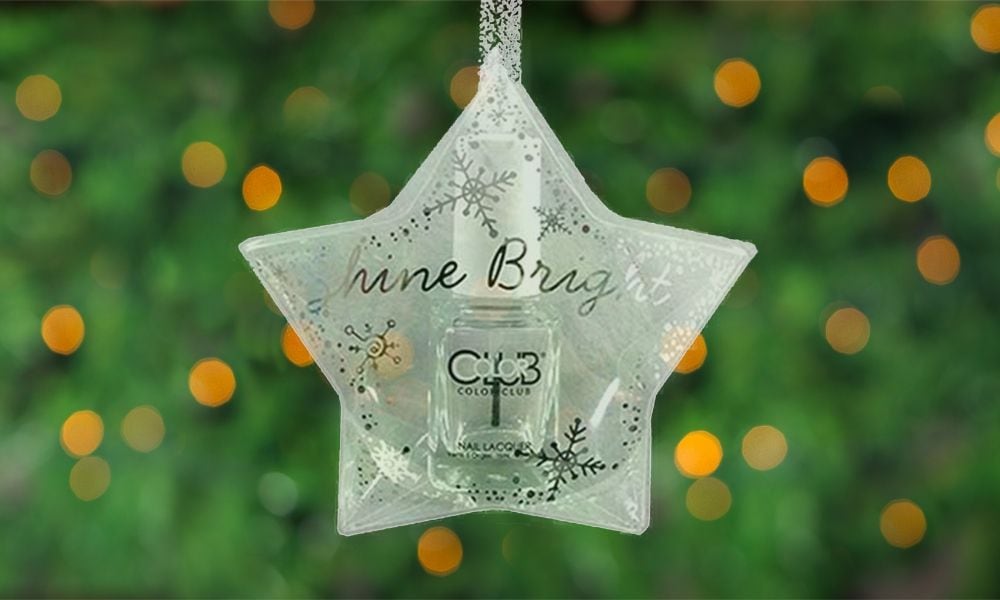
The holiday season is fast approaching, which means it’s time to start unveiling your company’s seasonal products and packaging. Winter is the busiest shopping season of the year, with gift-giving holidays around every corner. Give your products a seasonal makeover this year with these unique and festive holiday product packaging ideas.
Build a promo pack
Finding a present for everyone on your list can be tricky and many shoppers are on the lookout for quick and easy gifts. Building a promo pack is a great way to appeal to these shoppers, as they can tick several things off their list at once with minimal time and effort. When building a holiday promo pack, try to package together similar items or products that people frequently buy together. This will help the consumer feel they’re receiving a bargain and your company sell more of their seasonal products. You may also consider building an exclusive holiday-themed promo pack containing multiple seasonal products to further help consumers get into the holiday spirit.
Mimic gift wrapping
The holiday season can be quite hectic. Not only do consumers need to purchase gifts, but they need to wrap and deliver them, as well. Decorate your product packaging to mimic holiday gift wrapping to help shoppers save time and give your products a more festive flair. When the product comes in decorated boxes, bags, or bows, the consumer doesn’t need to worry about wrapping the gift themselves. This holiday product packaging idea is quite alluring to shoppers who are tight on time and looking to simplify their holiday preparations.
Showcase the product
When it comes to holiday shopping, many consumers know better than to judge a book by its cover. Therefore, designing your product packaging in a way that highlights the product can help differentiate your product from the competition. Further, display your product in a clear folding box or incorporate a clear plastic window into the packaging design. This will give consumers a sneak peek at the product that lies within. As such, it will help manage consumer expectations and increase overall faith and trust in the product, thereby increasing the likelihood of purchase.
Incorporate holiday colors and themes
There’s no shortage of symbols during the holiday season. Incorporating such symbols into your product packaging will differentiate your product from others on the market during the rest of the year. Infuse holiday colors such as red, green, gold, and white into your design for a more subtle holiday flair. You can use other holiday symbols, such as Christmas trees, snowflakes, and stars, in holiday-themed packaging as well. These symbols can be a bit overwhelming, however, and you should use them tastefully and sparingly.
Posted by Jane White on | Comments Off on Eco-Friendly Product Packaging Ideas
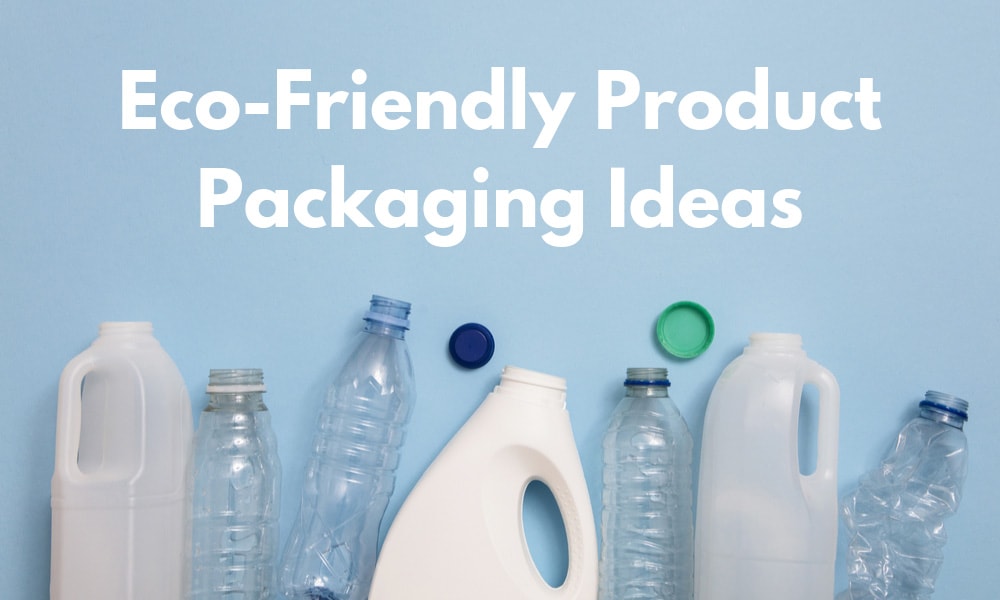
As consumers grow more and more eco-conscious, many of them are now on the lookout for eco-friendly products and product packaging. Luckily, going green and reducing your company’s carbon footprint can be quite easy, especially with these eco-friendly product packaging ideas.
Utilize recycled materials
Creating eco-friendly product packaging begins with choosing sustainable, recyclable, or biodegradable materials. Doing so won’t just help reduce the product’s carbon footprint—it may also boost sales for your product. With the growing importance of environmentalism, many consumers are now on the lookout for sustainable products made with recycled materials. Using this type of material is better for the environment and gives the consumer sustainable options.
Plastic packaging often gets a bad rap for not being eco-friendly, but many plastic packaging materials are recyclable or made from recycled materials. For instance, you can recycle PET packaging, which in turn can be made from recycled plastic bottles, compostable PLA (polylactic acid, a corn-based product created from natural, renewable resources), and partly from recycled PET plastic (rPET). Using recyclable materials such as PET plastic in your product’s packaging significantly cuts down on the amount of waste thrown into landfills each year.
Many plastic packaging products are also recyclable in and of themselves. You can easily recycle PET plastic as well as most other clear plastic packaging. These materials can be ground down and converted into materials that can then be used to manufacture and produce other plastic boxes. For more information on the eco-friendly packaging materials and practices used at Printex Transparent Packaging, check out our page on sustainable packaging as well as our glossary of terms page.
Embrace the minimalist mind-set
One of the easiest eco-friendly product packaging ideas is to simply reduce the size and amount of packaging you use. Reducing the size of the packaging will, in turn, reduce the cost of packaging overall and the amount of waste that ends up in a landfill. When you reduce the size of the packaging, also try to reduce the amount of empty space within the box. Excess space in packaging is often filled with small, soft materials designed to cushion the product. These materials, such as Bubble Wrap and Styrofoam packing peanuts, are often not recyclable or biodegradable, and they can harm the environment. Rather than packing a small product in a large box and padding it with filler materials, consider designing a custom-made package for the product. Custom-designed product packaging can protect the product and ensure you’re using the least amount of packaging necessary. A custom box designed for a perfect fit is also structurally much stronger. When you’re designing your product’s packaging, always remember: “less is more.”


 When it comes to designing any product, there are many elements you need to take into consideration. Even seemingly small factors can have a large impact on consumer buying patterns, company image, and overall brand loyalty. Color is one such factor that may seem inconsequential at first glance but can actually have a large impact on consumer purchasing patterns. This guide to choosing the right colors for your product packaging will help you better understand the effect color can have on consumer preferences and purchasing patterns.
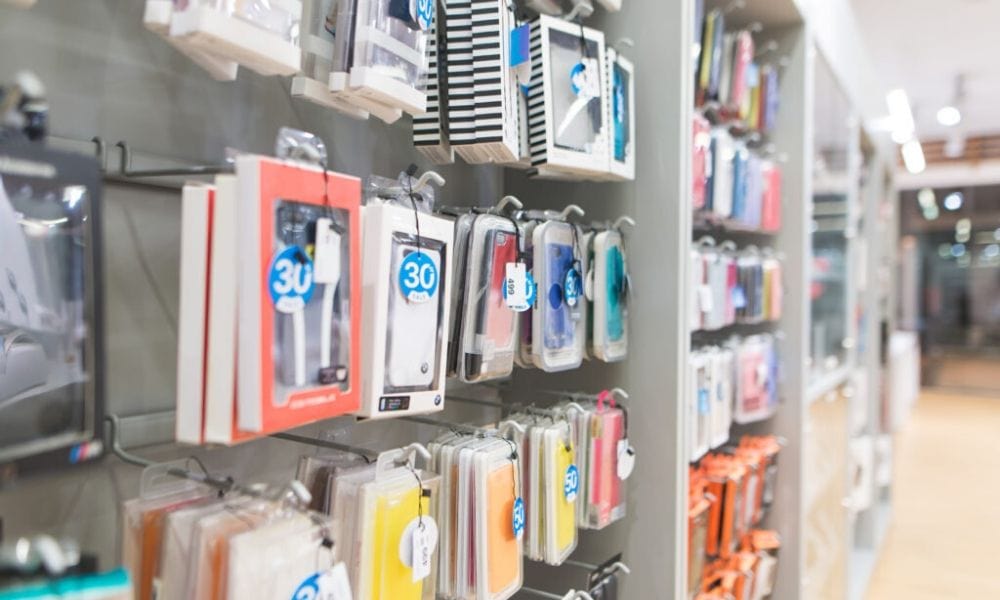 Product packaging often comes as a second thought to the design of the product itself. However, packaging can actually have a large impact on the overall success of the product. To achieve the highest success rate possible, the product packaging should complement and accentuate the product itself. Taking into account the following considerations for designing product packaging will enable you to create a more effective and eye-catching display for your products.
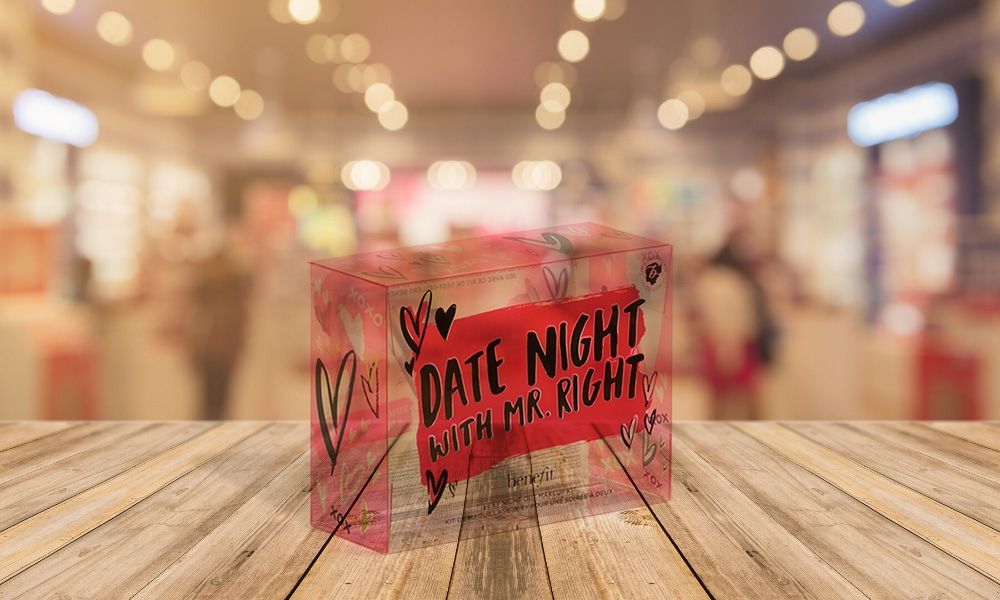 Attention to detail is crucial to the design of any product. As product packaging is an extension of the product itself, it’s important to carefully consider all design aspects—including the packaging materials. This quick guide will help you understand how to choose product packaging materials that match your brand as well as the product itself.
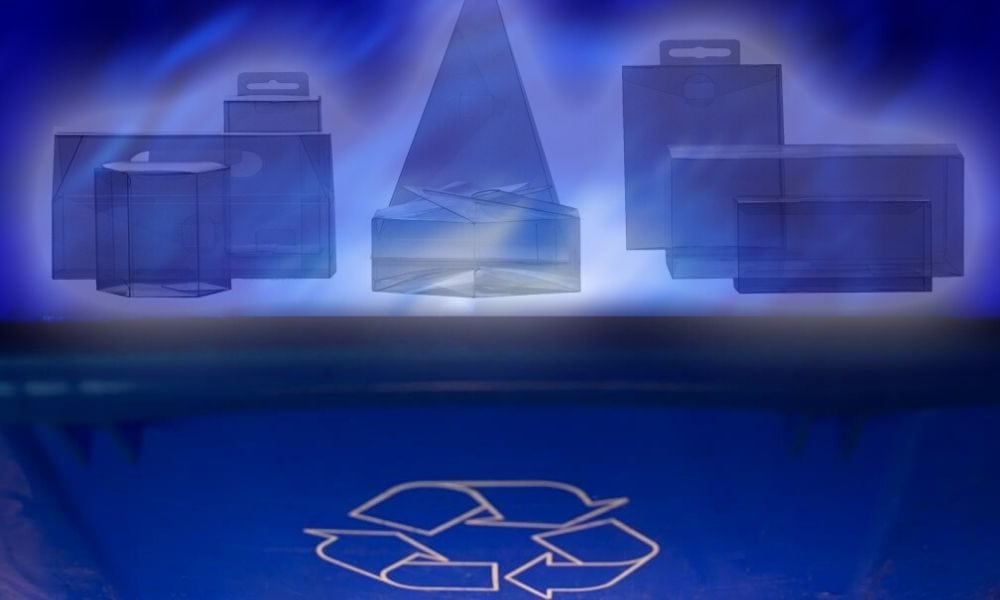 Clear plastic packaging comes in many different shapes and sizes, each with its own unique set of advantages and uses. PET plastic is one such material that is highly versatile and popular in the manufacturing of product packaging. This beginner’s guide to PET packaging will examine the basics and benefits of PET plastic, as well as its most common uses across a variety of industries.
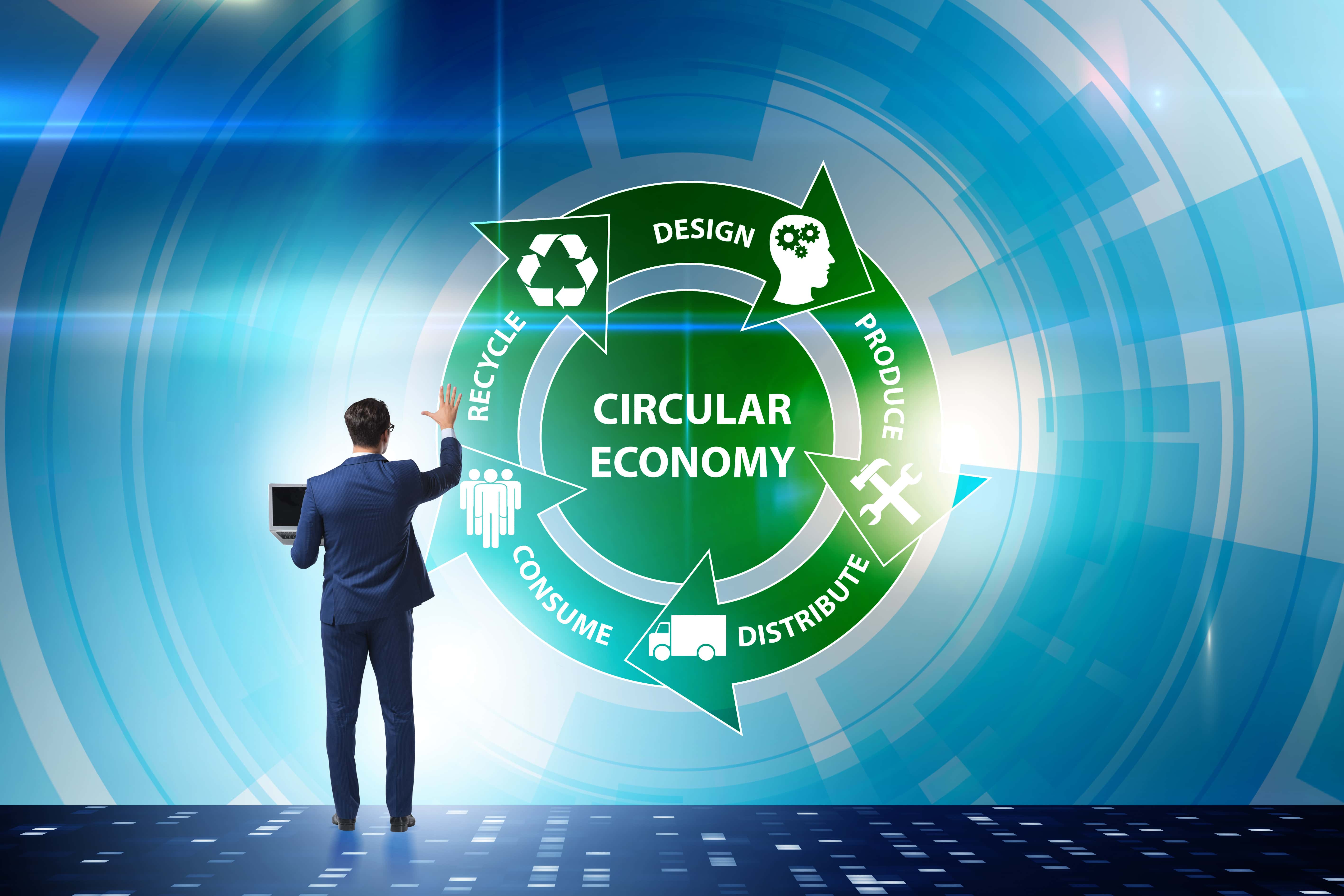
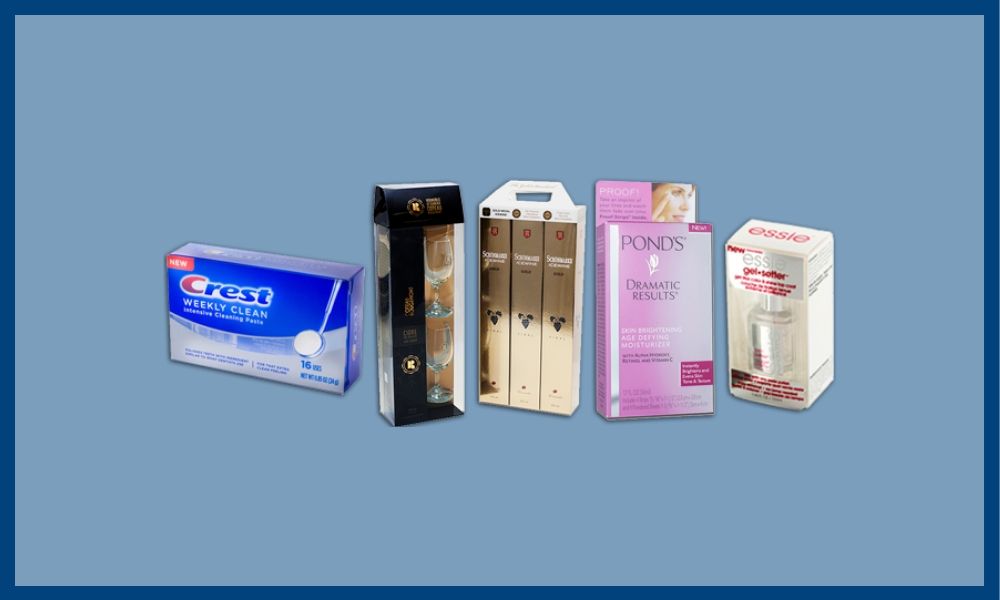 Product packaging is one of the first things consumers notice about an item. Eye-catching product packaging, therefore, is an absolute must. While consistent product packaging is important for maintaining continuity and brand identity, a bit of change now and then could do your business good. Below are a few signs you need a packaging redesign and the positive impact it can have on the success of your products.
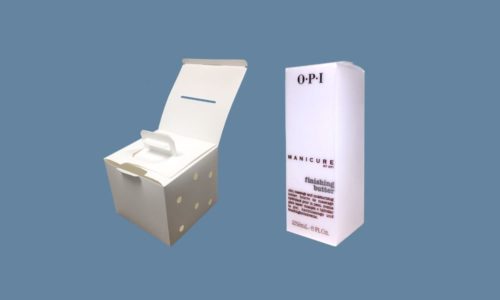 Product packaging should be designed in such a way that it highlights and maintains a product’s integrity. Choosing the right packaging materials to achieve this feat, therefore, requires significant consideration and planning. When choosing the best material to protect your products, first consult the following reasons to use polypropylene for packaging.
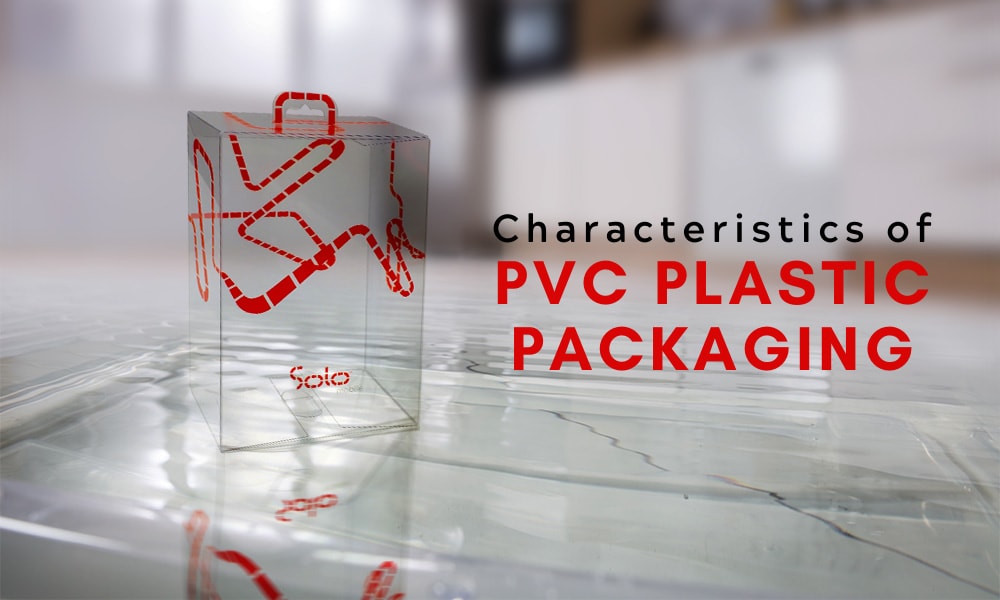 When it comes to choosing the right packaging for your products, you must consider many factors. Your product’s packaging should be eye-catching, high quality, durable, and dependable. We also always have to weigh the finical costs and benefits, as well as the impact to our environment. Clear PVC packaging can fit the need in some cases, whereas in many cases clear PET packaging is preferred.